Content
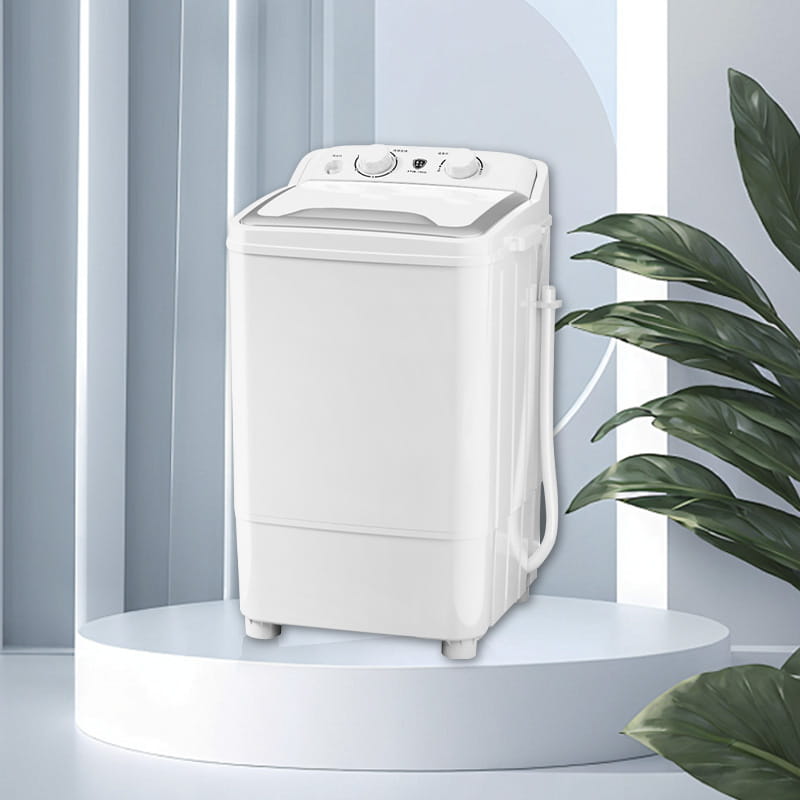
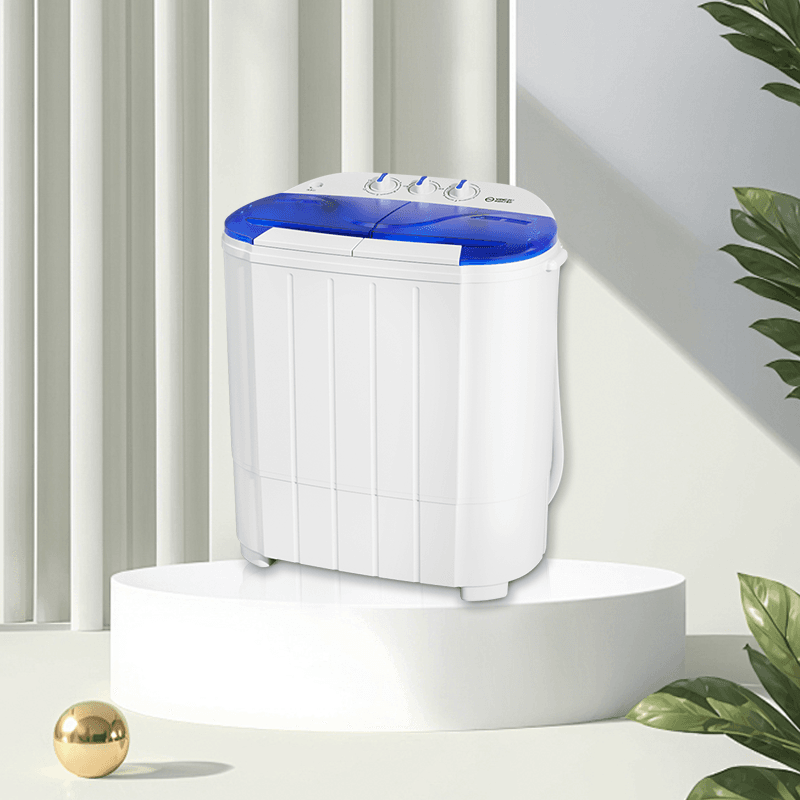
Washing with a twin tub washing machine is a straightforward process that gives you complete control over your laundry. Unlike fully automatic machines, a twin tub has two separate tubs: one for washing and one for spinning (drying). This design allows you to wash and dry loads simultaneously, saving time and water. This guide provides a clear, step-by-step approach to using a twin tub washing machine, covering everything from setup to spin drying.
The twin tub washing machine remains popular for its affordability, water efficiency, and faster wash cycles. Whether you're a first-time user or revisiting this classic design, this guide will help you achieve the best results. We'll also cover how to properly use the drain pump feature available on many modern models, ensuring a hassle-free experience.
Before you start, place your twin tub washing machine on a flat, stable surface near a water source and a drain. Ensure the power cord is plugged into a grounded outlet. Attach the water inlet hose to the water tap and the other end to the machine's water inlet. Turn on the tap and fill the wash tub to the desired level, checking the water level indicator .
For twin tub washing machine models with a built-in drain pump, ensure the drain hose is positioned correctly for efficient water removal. The water temperature should be below 120°F (50°C) to protect fabrics and the machine's components . Add your detergent to the water and let it dissolve completely before adding clothes.
Once the wash tub is filled, add your laundry, making sure not to overload it. The clothes need space to move freely for a thorough clean. Set the wash selector to your desired mode (Normal, Heavy, or Gentle) and turn the wash timer to the recommended time, typically between 5 to 15 minutes depending on the soil level and fabric type.
After the wash cycle finishes, turn the selector to "Drain" to let the soapy water out. Some models with a twin tub washing machine drain pump will do this more efficiently. Refill the tub with clean water for rinsing. You may need to repeat the rinse cycle to remove all detergent residue.
Figure 1: Recommended Wash Time by Soil Level
This bar chart illustrates the optimal wash time settings for a twin tub washing machine based on fabric soiling. Heavily soiled items like work clothes or towels require up to 15 minutes of agitation to break down dirt and stains effectively. Normal everyday laundry typically needs around 10 minutes, which balances cleaning power with fabric care. Delicate fabrics such as silk or wool should be washed for only 3 to 5 minutes to prevent damage. These timings are based on standard recommendations from twin tub washing machine manuals . Adjusting the wash time according to soil level ensures both cleaning efficiency and fabric longevity.
After rinsing, transfer the wet clothes from the wash tub to the spin tub. Spread them evenly to prevent excessive vibration during the spin cycle. Place the inner spin cover on top and close the safety lid. Set the spin timer according to the fabric type—typically 1 to 5 minutes .
The spin tub removes excess water, significantly reducing drying time. After spinning, clothes will still be slightly damp and ready for line drying. This process is central to the washing and drying separate twin tub washing machine design, giving you control over each stage.
Figure 2: Optimal Spin Time by Fabric Type
This line chart shows the recommended spin drying time for various fabric types in a twin tub washing machine. Light synthetic fabrics require only about 1 minute of spinning to remove excess water, as they dry quickly. Heavier materials like toweling coverlets need up to 5 minutes to achieve adequate dryness, reducing line-drying time significantly. The trend indicates that denser, more absorbent fabrics require longer spin cycles. Following these guidelines helps protect delicate items from over-spinning while ensuring heavy items are sufficiently dried . This data is based on standard recommendations found in twin tub washing machine manuals and laundry guides.
The table below highlights the main differences between a twin tub washing machine and a fully automatic washing machine. This comparison is based on user reviews, manual specifications, and industry observations .
| Table 1: Comparison of Twin Tub vs. Fully Automatic Washing Machines | ||
| Feature | Twin Tub Washing Machine | Fully Automatic Machine |
| Operation | Manual transfer between tubs | Fully automated wash-rinse-spin |
| Water Usage | Lower (user-controlled fill) | Higher (fixed cycles) |
| Wash Time | Faster (shorter cycles) | Longer (programmed cycles) |
| Control | High (customizable water level, time) | Limited (pre-set programs) |
| Price | More affordable | Higher cost |
As shown, the twin tub washing machine offers greater control over water usage and cycle times, making it a cost-effective and efficient choice for many households. Its design, with separate washing and spinning tubs, allows for simultaneous operation, which can speed up laundry days significantly .
This radar chart visualizes the key performance strengths of a typical twin tub washing machine, based on user reviews, product specifications, and expert observations . The scoring reflects common feedback across multiple models.
Figure 3: Twin Tub Washing Machine Performance Radar
This radar chart compares five key performance attributes of the twin tub washing machine, based on user reviews and product specifications. Water efficiency scores highest at 4.8 out of 5, reflecting the machine's ability to use only as much water as needed for each load. Wash speed follows closely at 4.5, as the separate tubs allow for simultaneous washing and spinning. Value for money scores 4.6, indicating strong user satisfaction with the cost-to-performance ratio. Durability and ease of use also score well, with the manual operation being seen as a positive feature for those who prefer control over their laundry process
Proper maintenance ensures the longevity and performance of your twin tub washing machine. Here are some key tips based on user manuals and expert advice :
Q1: Can I wash and spin dry at the same time with a twin tub washing machine?
Yes, a twin tub washing machine allows simultaneous washing and spinning because it has two separate motors—one for the wash tub and one for the spin tub. This feature significantly reduces total laundry time .
Q2: How much water does a twin tub washing machine use?
A twin tub washing machine uses less water than fully automatic models because you control the fill level. On average, it uses about 36 liters per kilogram per cycle, making it an eco-friendly choice .
Q3: Why does my twin tub washing machine vibrate during spinning?
Vibration during spinning usually indicates that the clothes are not evenly distributed in the spin tub. Stop the machine, rearrange the clothes evenly, and restart the spin cycle .
Q4: Do twin tub washing machines have a built-in drain pump?
Many modern twin tub washing machines come with a built-in drain pump, which makes draining the soapy water easier and more efficient. Check your model's specifications to confirm
Q5: Is a twin tub washing machine suitable for large families?
Yes, twin tub machines come in various capacities, with some models offering up to 10 kg or more for washing. They are ideal for families due to their fast cycle times and water efficiency .
Cixi Yongda Electronics Co., Ltd. is located in Cixi, Ningbo, Zhejiang, China—a region known as a small home appliance manufacturing base. The factory benefits from a full supporting industry chain, giving the enterprise a competitive advantage. Established in 2003, the company has been manufacturing home appliances for over 20 years, achieving annual sales of 100 million with mature, stable quality and excellent value for money.
Products are currently exported to many countries around the world, with foreign trade sales accounting for more than 50% of factory output. The product packaging volume is suitable for foreign trade, with packaging design and cabinet size carefully matched for efficient shipping. The factory's internal staff structure is adjusted to meet the needs of a diverse customer base, ensuring rapid delivery times. The factory is located only 35 kilometers from Beilun Port, offering an excellent strategic position for global logistics.



 English
  Español
  عربى
عربى 