Content
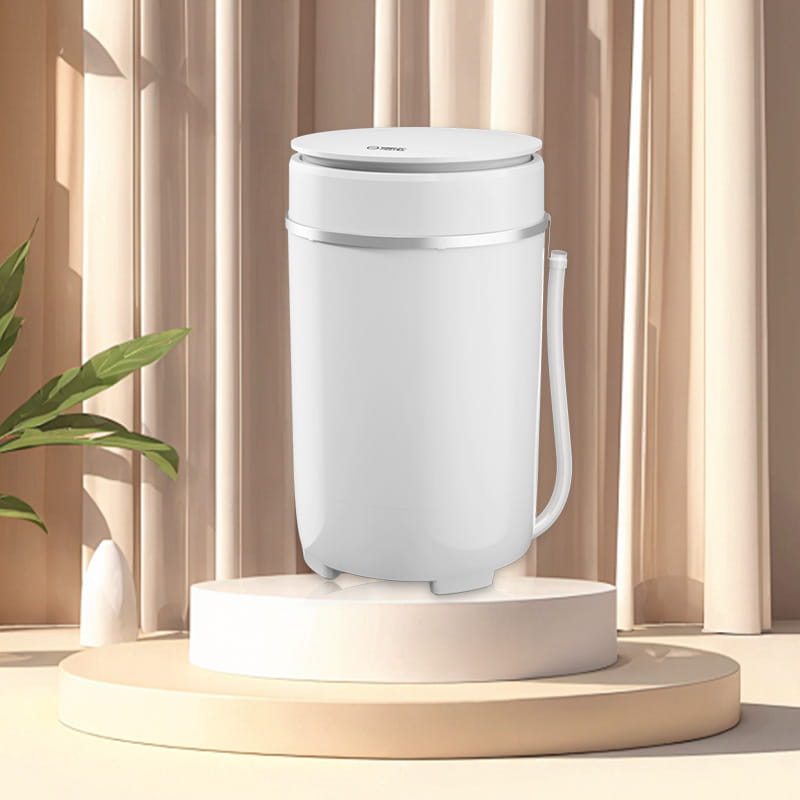
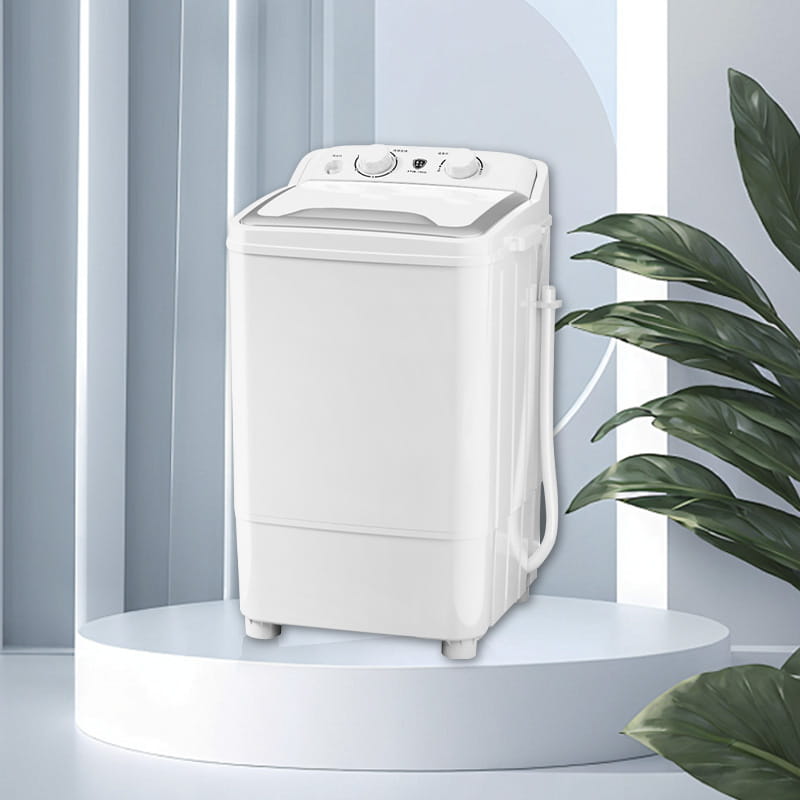
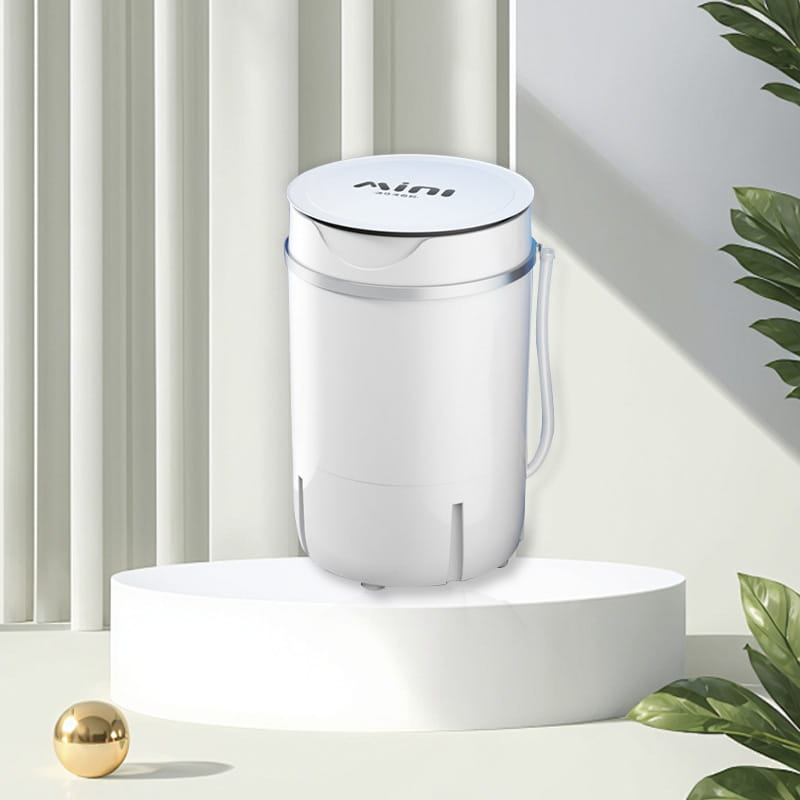
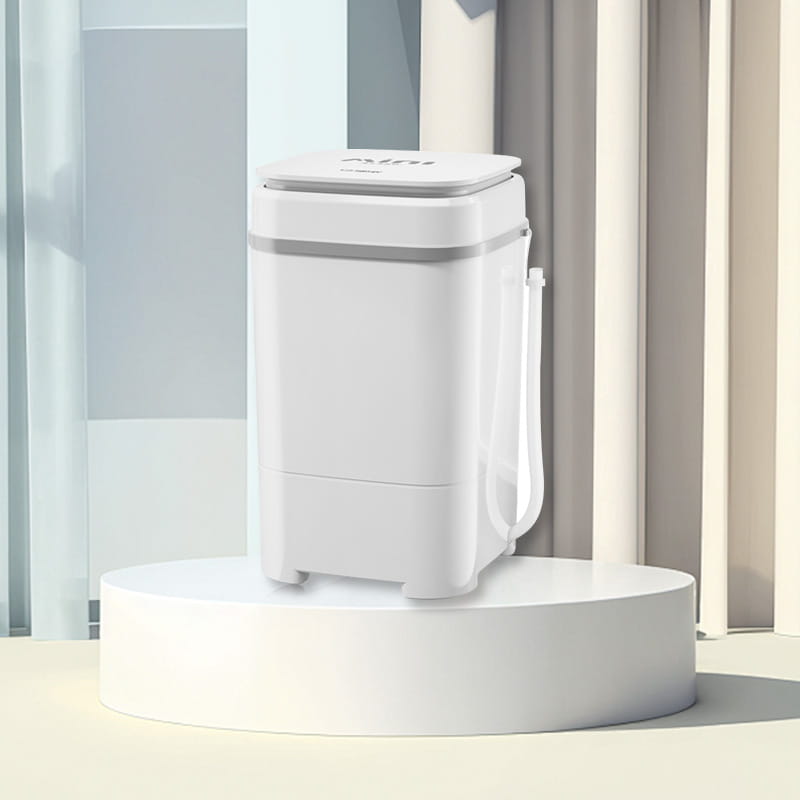
The direct answer is that a mini washing machine is a genuinely useful appliance for specific living situations, though it is not intended to replace a full size machine for large households with heavy daily laundry volume. For apartments, dorm rooms, RV living, and households washing baby clothes or delicate items separately, a portable mini washing machine offers a practical way to handle smaller loads without occupying the space or water and power draw of a standard machine. The core value of a compact washing machine comes from three factors working together, namely a reduced footprint, lighter overall weight for easy repositioning, and a wash cycle that is appropriately sized for one or two people rather than an entire family's weekly laundry. Cixi Yongda Electronics Co., Ltd. has built its semi-automatic mini washing machine line around this same practical logic, focusing on a compact body, straightforward mechanical controls, and features suited to smaller living spaces rather than attempting to match the capacity of a full size laundry appliance. The sections below walk through who benefits most from this appliance category, how it compares structurally to standard machines, and what to check before choosing one.
A lightweight mini washing machine tends to fit best into a specific set of living situations rather than being a universal replacement for standard laundry equipment. Renters in small apartments often choose a mini washer for apartments because building layouts frequently do not include dedicated laundry hookups, and a compact portable washer can be moved between a kitchen, bathroom, or balcony as needed. Students living in shared housing commonly look for a mini washing machine for dorm rooms, since a smaller unit reduces both noise disruption and the physical space required in a room shared with a roommate. RV owners and full time travelers frequently search for a mini washing machine for RV living, where every appliance needs to be lightweight, easy to secure during transit, and modest in its water usage. Parents also represent a distinct use case, since a mini washer for baby clothes allows infant garments to be washed separately from adult laundry using a gentler, smaller cycle, which many parents prefer for hygiene reasons during a child's early months.
When comparing a foldable washing machine against a fixed compact washing machine, the decision generally comes down to how often the unit needs to be stored away versus left in place. The table below outlines the general structural differences between these two common formats within the small washing machine category.
| General structural comparison between foldable and compact mini washing machine formats | ||
| Feature | Foldable Mini Washing Machine | Compact Mini Washing Machine |
| Storage Behavior | Collapses flat for storage | Fixed shape, stays assembled |
| Best Suited For | RV living, tight temporary spaces | Apartments, dorm rooms, balconies |
| Typical Structure | Soft or semi-rigid folding drum | Rigid mechanical drum and housing |
| Portability | Very high, packs into small volume | Moderate, moves easily but stays intact |
| Mechanical Durability | Generally lighter duty components | Sturdier mechanical parts for repeated use |
For most households choosing between a foldable washing machine and a compact portable washer, the practical question is whether the unit needs to disappear into storage between uses or whether it can remain assembled in a corner, closet, or balcony space. A compact washing machine such as the semi-automatic mini washing machine produced by Cixi Yongda Electronics Co., Ltd. is designed for this second scenario, where the unit stays in place but still occupies significantly less floor area than a standard machine.
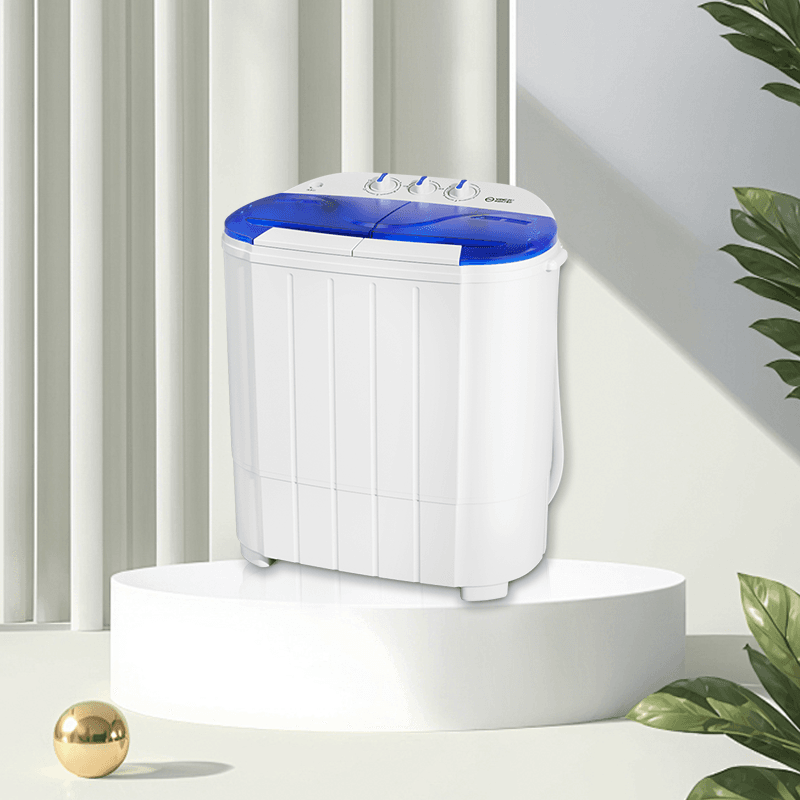
A semi-automatic mini washing machine generally separates the washing and spinning functions into a mechanically simple sequence that the user controls directly, which keeps the internal structure less complex than a fully automatic machine. The Cixi Yongda Electronics semi-automatic mini washing machine is built with a dump handle for controlled water drainage, an integrated washing and drying section, and a blue light antibacterial feature designed to reduce bacteria within the wash chamber, which is a detail particularly relevant for households washing baby clothes or delicate items. Despite its compact exterior, the internal drum is designed with a large capacity mini washing machine cavity relative to the unit's overall footprint, allowing it to handle adult clothing loads in addition to smaller baby garments. The mechanical components are engineered for smooth rotation, which supports lower noise output during the spin cycle, making it suitable as a quiet and efficient mini washing machine for dorms or shared apartment settings. The diagram below illustrates the general internal layout of this type of semi-automatic compact washing machine.
The isometric diagram above is a simplified structural illustration rather than a precise engineering drawing, and it is meant to show the general position of the washing drum, the separate spin drying section, the dump handle drain, and the blue light antibacterial zone within a typical semi-automatic mini washing machine. Keeping the washing and spin drying sections physically separate, as shown in the diagram, is a common structural approach for a semi-automatic mini washer for baby clothes because it allows a gentler wash cycle to run independently from a firmer spin cycle. The dump handle drain shown at the base of the unit reflects a simple manual drainage method that avoids the need for a complex internal pump system, which keeps the overall mechanism lighter and easier to maintain. The blue light antibacterial zone highlighted in the diagram represents the feature built into the Cixi Yongda Electronics semi-automatic mini washing machine line, positioned to treat the wash chamber during operation. This general structural approach supports the compact, lightweight profile that makes the unit practical for apartment, dorm, and small household placement.
Floor space is one of the most cited reasons households choose a small washing machine over a standard sized unit, and the chart below presents an illustrative comparison of relative floor footprint across three general appliance categories. This comparison is intended as a general visual reference rather than an exact measured dataset for any single certified model.
The horizontal bar chart above illustrates a general pattern in relative floor footprint across three appliance categories rather than exact measured dimensions for any specific certified product line. A standard washing machine typically requires a dedicated fixed installation area, which is one of the main reasons apartments without laundry hookups struggle to accommodate one. A compact washing machine occupies noticeably less floor area while still remaining assembled in one place, offering a practical middle ground for households that want a permanent laundry solution without a full size footprint. A foldable mini washing machine occupies the smallest footprint of the three when stored, since it can be collapsed and tucked away between uses, which is particularly useful for RV living or temporary housing situations. This general pattern helps explain why the small washing machine category continues to attract interest from apartment renters, students, and mobile living communities looking for space saving washer solutions. Buyers comparing options should still confirm exact dimensions for any specific unit, since footprint can vary between individual product designs even within the same general category.
Beyond footprint, buyers researching how to choose a mini washing machine often want to understand how it compares to a standard machine across everyday performance factors such as noise, portability, and energy use. The radar chart below presents a general qualitative comparison across five performance dimensions, intended as a planning reference rather than certified laboratory test results.
The radar chart above compares a mini washing machine against a standard washing machine across six general performance dimensions, and it should be read as a qualitative planning tool rather than a precise measured benchmark. A mini washing machine scores higher on portability, space efficiency, and ease of storage, which lines up directly with the space saving benefits discussed earlier in this article. A standard washing machine scores higher on load capacity, since its larger drum volume is built for washing multiple days of laundry for a full household in a single cycle. Both categories can achieve reasonable water efficiency and low noise operation depending on the specific mechanical design, though a well engineered compact washing machine with smooth internal components, such as the semi-automatic mini washing machine produced by Cixi Yongda Electronics Co., Ltd., is often positioned as a quiet and efficient mini washing machine for dorms or shared living spaces. This comparison supports the earlier conclusion that a mini washing machine is genuinely useful, but its strengths are most relevant for smaller households, individual use, or supplemental washing needs rather than full family laundry volume.
Keeping a portable clothes washer running smoothly over time depends on a small set of consistent maintenance habits, most of which take only a few minutes after each use.
Following these basic habits helps extend the working life of a lightweight mini washing machine, and it is particularly relevant for units that see frequent daily use in apartment or dorm settings. Because a mini washing machine relies on simpler mechanical components than a standard machine, routine care tends to have a proportionally larger impact on long term reliability.
Cixi Yongda Electronics Co., Ltd. is located in Cixi, within the Ningbo region of Zhejiang province, an area recognized as a small home appliance manufacturing base with a full supporting industry chain nearby. Established in 2003, the company has more than twenty years of experience manufacturing home appliances, with annual sales reaching approximately one hundred million and a product quality standard the company describes as mature and stable. Foreign trade currently accounts for more than fifty percent of the factory's overall sales, and product packaging is specifically designed to suit international shipping requirements, with packaging dimensions matched to standard export container sizing. The factory's internal staffing structure is organized to accommodate a variety of customer requirements, supporting rapid delivery timelines for both standard and OEM mini washing machine orders. Cixi Yongda Electronics Co., Ltd. is located only thirty five kilometers from Beilun port, giving the company a favorable logistics position for exporting its mini washing machine and semi-automatic mini washing machine product lines to international markets, including support for ODM mini washing machine and custom mini washing machine projects for importers, brand owners, and wholesale distributors.
Q1: Are mini washing machines any good for daily use?
Yes, for individuals, couples, or households washing smaller loads such as baby clothes or delicate items, a mini washing machine generally provides reliable daily performance, though it is not designed to replace a standard machine for large family laundry volume.
Q2: What is the difference between a foldable and a compact mini washing machine?
A foldable mini washing machine collapses for storage and suits temporary or mobile living situations, while a compact mini washing machine stays assembled and is better suited to a fixed spot in an apartment or dorm room.
Q3: Is a semi-automatic mini washing machine suitable for washing baby clothes?
Yes, many semi-automatic mini washing machines include separate wash and spin sections along with antibacterial features, which support washing baby clothes separately from adult laundry.
Q4: How much floor space does a mini washing machine save compared to a standard machine?
A mini washing machine generally occupies significantly less floor area than a standard machine, and a foldable version can be stored away entirely between uses for further space savings.
Q5: Can a mini washing machine be customized for OEM or ODM orders?
Yes, manufacturers offering OEM mini washing machine and ODM mini washing machine services can typically adjust packaging, branding, and certain functional details to match a specific importer or wholesale requirement.
Q6: What maintenance does a portable mini washing machine require?
Basic maintenance includes fully draining the unit after each wash, periodically wiping down the interior chamber, and avoiding consistent overloading, all of which support long term reliable operation.



 English
  Español
  عربى
عربى 