Content
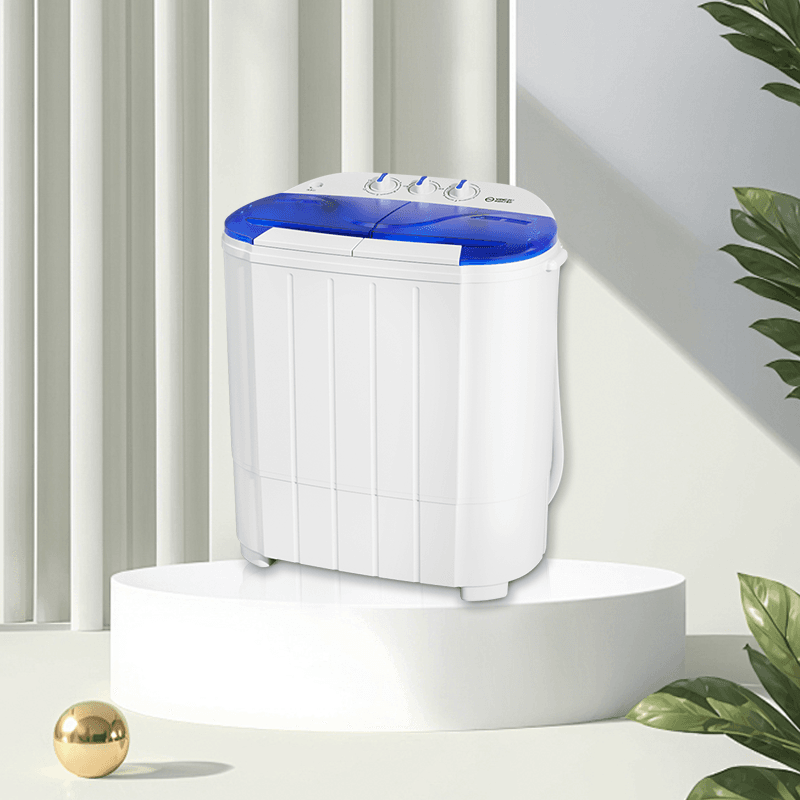
Yes, but only for specific needs. A mini washing machine is worth buying if you live alone, have a small space (apartment/RV), wash delicates separately, or need to save water. For a family of 3+, it is not practical as a primary machine. Data shows mini washers use 60-70% less water per load than full-size machines, but wash cycles are 2-3x longer.
This guide gives you a clear verdict first, then dives into practicality, real-world scenarios, and a complete FAQ. No fluff—just useful insights.
Practicality depends entirely on your living situation and laundry habits. Below are the best-fit user profiles with specific examples.
Let’s compare hard data so you can decide. These figures are averaged from top-selling 3-5 kg mini washers vs. standard 8 kg front-loaders.
| Comparison of mini vs. full-size washing machine metrics | ||
| Metric | Mini Washer (3-5 kg) | Full-Size Washer (8 kg) |
| Water per load | 15-20 liters | 50-60 liters |
| Cycle duration (normal) | 45-75 minutes | 30-45 minutes |
| Electricity per cycle | 0.2 - 0.3 kWh | 0.8 - 1.2 kWh |
| Average price | $80 - $200 | $400 - $800+ |
Key takeaway: You save money upfront and on water/electricity, but you lose speed and load capacity. For light daily use, the trade-off is worth it.
Being realistic prevents buyer’s remorse. Mini washers are not designed for these tasks:
If these are your regular needs, skip the mini washer entirely.
Most portable models connect to a standard kitchen or bathroom faucet via an included adapter. No permanent plumbing required. Gravity drain models need a sink or tub edge. For non-portable under-counter units, you’ll need standard water supply valves.
With proper care (cleaning the filter, not overloading), expect 3-5 years of regular use. Cheaper $80 models may fail after 1-2 years. Compare to full-size washers at 10-14 years. Consider it a short-term appliance.
Yes, but only 1-2 teaspoons of HE (high-efficiency) detergent. Regular detergent creates too many suds and can damage the pump. Over-sudsing is the #1 cause of mini washer failure.
Only if the model has a built-in heater or you add near-boiling water manually. Most mini washers only take cold tap water (20-25°C), which does not kill bacteria or dust mites. For baby or medical needs, buy a mini washer with a heating element (adds $50-80).
Measured noise: 50-65 dB during wash, 65-75 dB during spin. That’s similar to a normal conversation or a vacuum cleaner on low. Not suitable for open-plan studios if you sleep nearby.
Some mini washer-dryer combos exist, but drying capacity is usually 50-60% of wash capacity. A full wash load (2 lbs wet) takes 3-4 hours to dry. Ventless drying is inefficient. Recommendation: buy a separate mini spinner or use a foldable drying rack.
Based on the data and practical limits, a mini washing machine is a clear winner if:
Otherwise, stick with a full-size machine or shared laundry. For the right user, a mini washer is highly practical and cost-effective. For the wrong user, it’s a frustrating, undersized gadget.



 English
  Español
  عربى
عربى 