Content
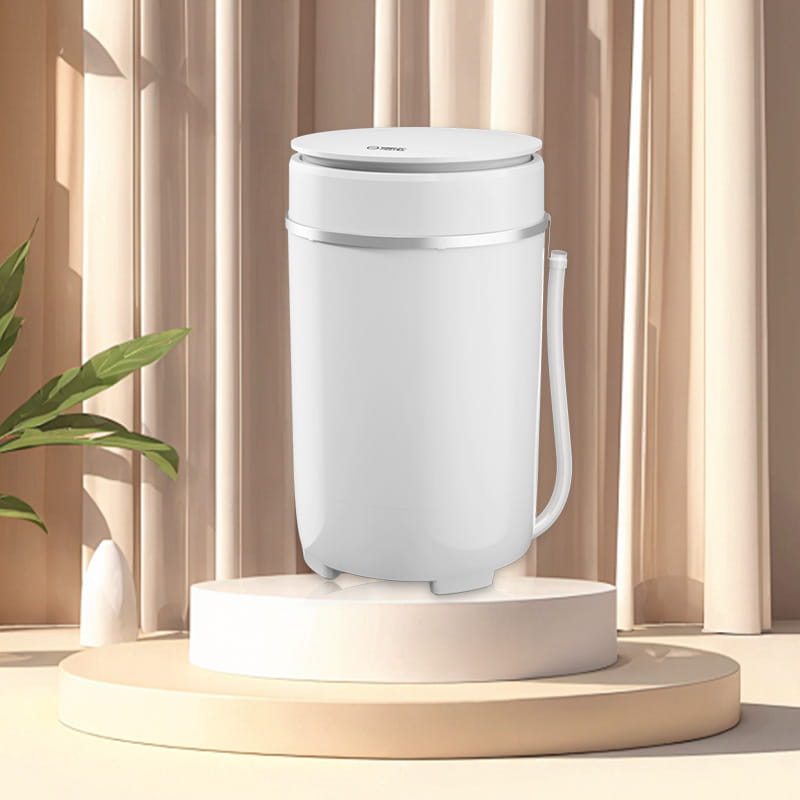
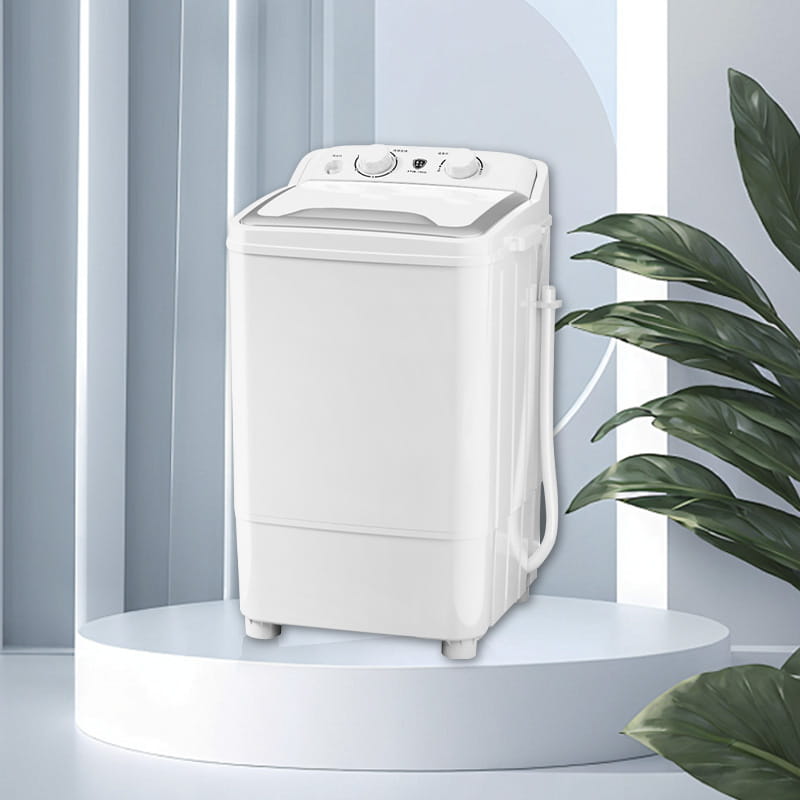
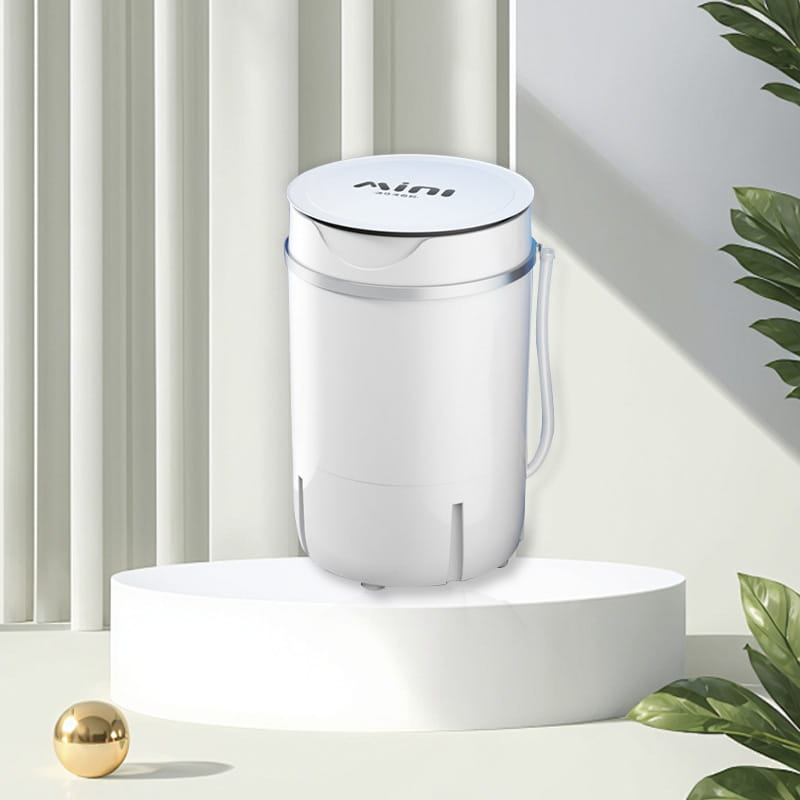
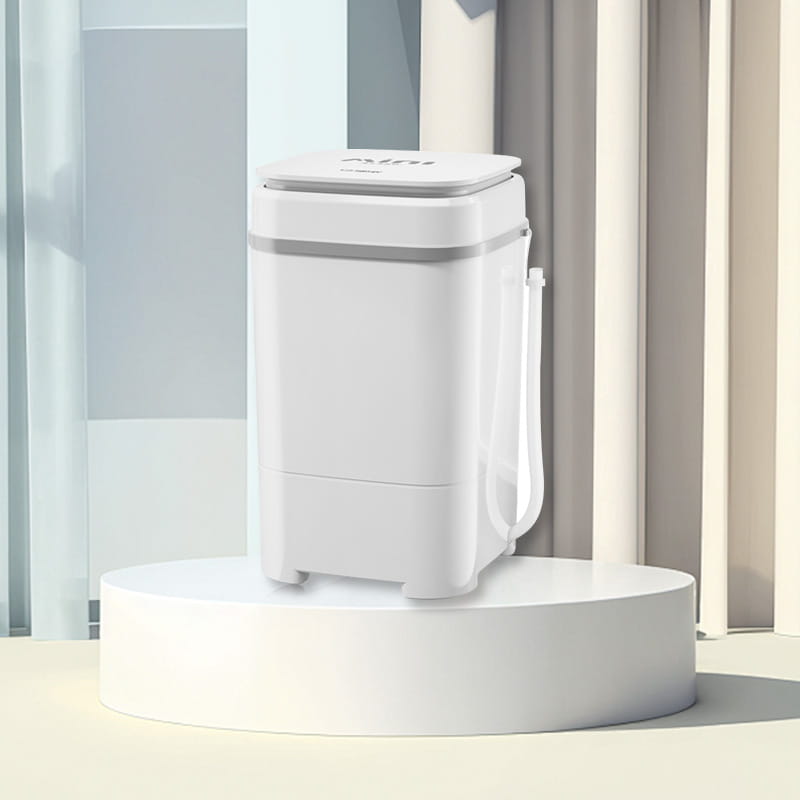
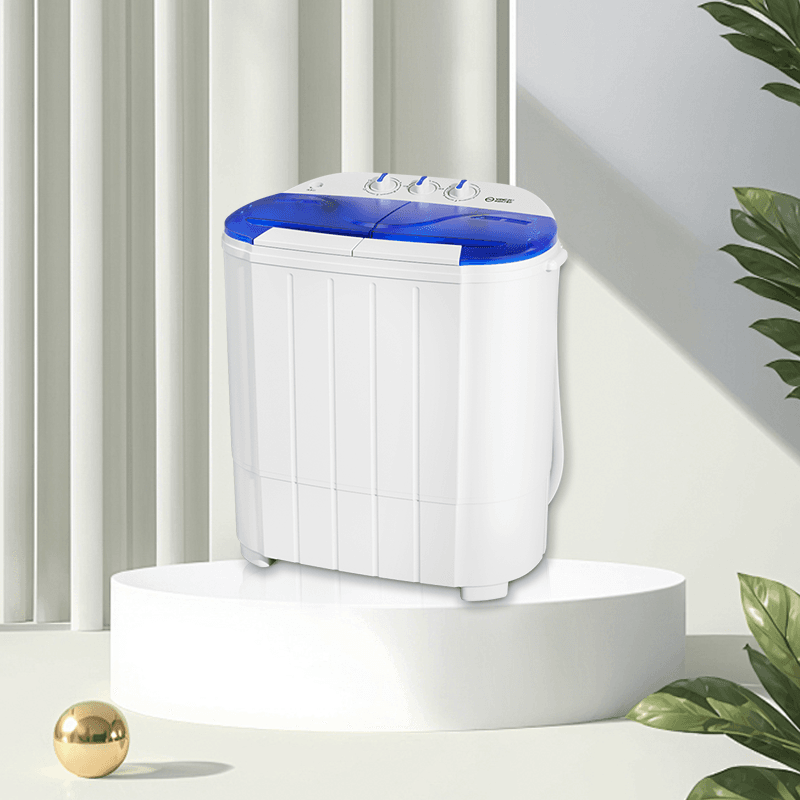
A twin tub washing machine performs two primary separate functions: washing and spin-drying. Unlike fully automatic machines, it requires manual transfer of laundry between the wash tub and the spin dryer tub. This design gives users direct control over water usage, wash duration, and rinse cycles. The main functions are: washing (with adjustable timer and wash selector), draining (via a separate hose), and high-speed spin drying (typically 1300-2800 RPM) to remove excess water before line drying.
The wash tub typically holds 6-12 kg of laundry. It includes a mechanical timer (often 0-15 minutes for wash cycles) and a wash selector switch (gentle/normal/strong). The pulsator at the bottom creates water currents to agitate clothes. For example, a normal wash cycle of 10 minutes removes standard dirt, while delicate fabrics use a 3-5 minute gentle cycle.
The spin tub operates at high speeds (typically 1,350 RPM to 2,800 RPM). A 3-minute spin cycle at 2,800 RPM can remove up to 80% of water from cotton fabrics, reducing line drying time by an average of 65% compared to hand-wrung clothes. The spin tub has a separate lid and safety brake.
Unlike semi-automatic machines, twin tubs include a drain hose with a control valve. After washing, you manually pull the drain knob to empty soapy water before rinsing. This allows water recycling for garden use – a practical feature in water-scarce regions.
Twin tub machines are known for lower water and electricity consumption compared to top-loading automatics. Based on tests of 8kg models:
| Machine Type | Water (liters) | Electricity (kWh) | Time (manual effort) |
|---|---|---|---|
| Twin Tub (8kg) | 80-100 L | 0.25 - 0.35 kWh | ~20 min (active) |
| Top-Load Automatic (8kg) | 120-150 L | 0.45 - 0.6 kWh | ~5 min (setup) |
This data shows that twin tubs use up to 33% less water and 40% less electricity per cycle, making them a cost-effective choice for off-grid or budget-conscious households.
Yes, if used correctly. A 10-12 minute wash cycle with proper detergent achieves similar cleaning results. Independent tests show twin tubs remove 92-95% of standard stains (coffee, mud, oil) compared to 94-97% for front-loaders. The key difference is manual rinsing – you may need 2-3 rinse cycles for complete detergent removal.
No. The single motor drives either the wash pulsator or the spin basket via a belt selector. You must finish washing (and draining) before switching the belt to spin mode. However, some premium twin tubs have dual motors (starting from $180) that allow simultaneous operation, reducing total cycle time by 40%.
With basic maintenance (cleaning lint filters, drying the spin tub after use), a twin tub lasts 8-12 years. The most common failure is the drive belt (cost $5, replacement every 3-4 years) or the spin tub brake spring. In comparison, fully automatic machines typically last 5-8 years before electronic board failures occur.
No. Twin tubs use manual filling via a hose or bucket and drain into a sink or outdoor area. Setup requires no permanent plumbing connections. Just place it near a power outlet and water source. 95% of users set it up in under 10 minutes.
Following this sequence reduces total active time to ~18 minutes per load and extends machine life by 2-3 years.



 English
  Español
  عربى
عربى 